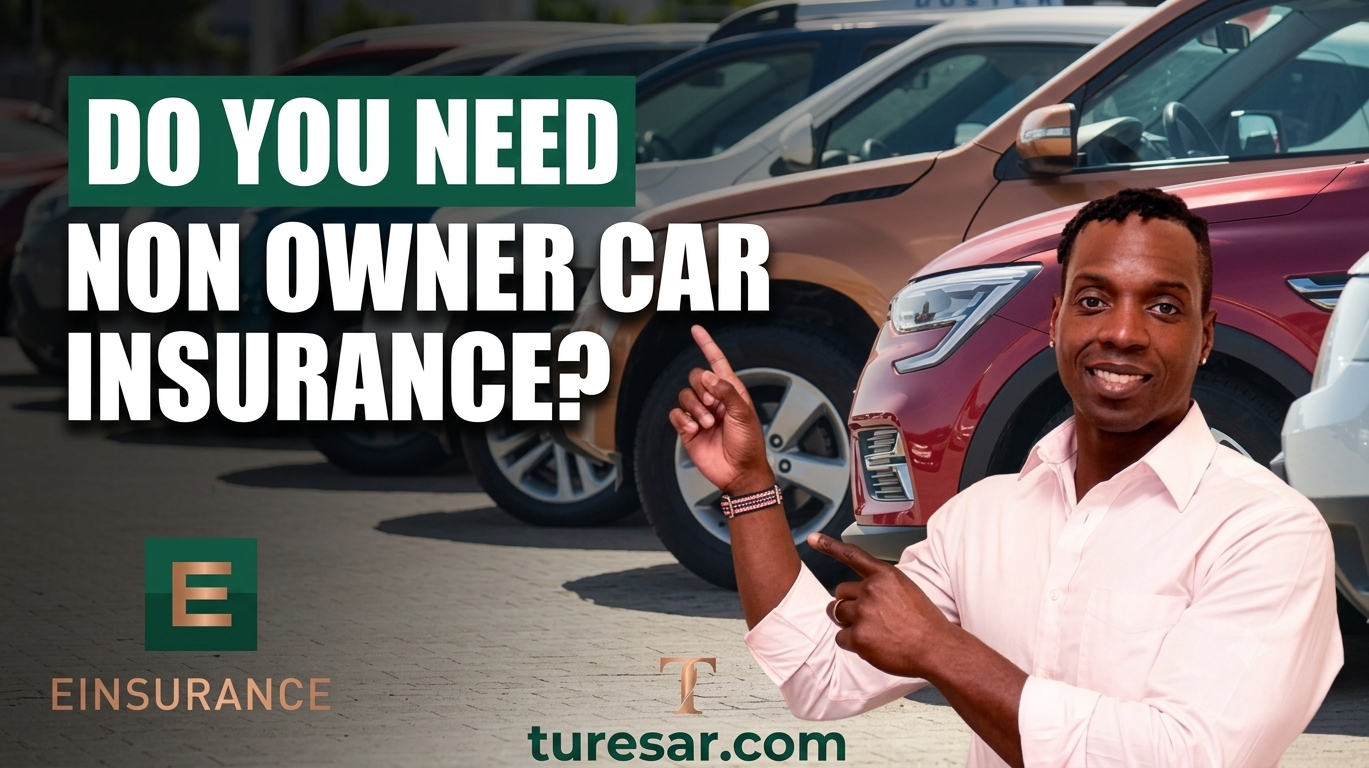
If you drive occasionally but don’t own a car — because you rent one, borrow a friend’s or family member’s vehicle, or use a car-sharing service — you might still need your own insurance policy. That’s where non-owner car insurance comes in. It’s a smaller, less understood corner of the auto insurance world, but for the right situation it can save you money and keep you legally covered.
What Is Non-Owner Car Insurance?
Non-owner car insurance is a liability policy for people who drive but don’t own a vehicle. It doesn’t cover a specific car — instead, it follows you as a driver and provides liability coverage when you’re behind the wheel of a car you don’t own, as long as it isn’t already insured by someone else’s policy that you’re regularly using.
It typically includes:
- Bodily injury liability — covers injuries you cause to others
- Property damage liability — covers damage you cause to someone else’s property
- Sometimes uninsured/underinsured motorist coverage, depending on the insurer and state
It generally does not include:
- Collision coverage for damage to the car you’re driving
- Comprehensive coverage (theft, weather damage, etc.)
- Coverage for a vehicle you drive regularly that’s titled in your name
Who Actually Needs This Coverage?
Non-owner insurance fits a fairly specific set of situations:
- You need an SR-22 or FR-44 filing but don’t own a car — many states still require ongoing proof of insurance even if you don’t have a vehicle
- You frequently rent cars and want liability coverage without paying for the rental company’s daily insurance add-on every time
- You regularly borrow a car from a friend or family member and want your own liability protection rather than relying entirely on their policy
- You gave up your car but expect to drive occasionally and want to avoid a lapse in continuous coverage, which can raise future premiums
If you don’t fall into one of these categories — for example, if you never drive — you likely don’t need it at all.
How Much Does Non-Owner Insurance Cost?
Non-owner policies are usually cheaper than a standard auto policy because they only cover liability, not the vehicle itself. That said, actual pricing depends heavily on:
- Your driving record (a DUI or other violations will raise the cost, same as standard insurance)
- Your state’s minimum liability requirements
- Whether you need an SR-22/FR-44 filing attached to the policy
- The insurer’s specific underwriting rules, since not every company offers non-owner policies
Because pricing varies so much by state and driving history, the only reliable way to know your actual cost is to get quotes directly — but as a liability-only product, it’s generally one of the more affordable ways to maintain continuous coverage or satisfy an SR-22 requirement.
Non-Owner Insurance vs. Rental Car Insurance
These often get confused, but they solve different problems:
| Non-Owner Policy | Rental Company Insurance | |
|---|---|---|
| Coverage type | Liability only | Often includes collision/damage waiver |
| Cost structure | Ongoing monthly/annual premium | Daily fee, paid per rental |
| Covers borrowed (non-rental) cars | Yes | No |
| Satisfies SR-22 requirements | Yes | No |
| Best for | Frequent renters/borrowers, SR-22 needs | Occasional, one-off rentals |
If you rent cars more than a few times a year, a non-owner policy is often cheaper over time than paying for rental company insurance every trip.
How to Get a Non-Owner Policy
- Confirm you actually need one — if you already have reliable access to insured vehicles you’ll drive regularly, you may not qualify or need it
- Check whether your state requires an SR-22 or FR-44 filing and confirm the insurer can attach it to a non-owner policy
- Get quotes from multiple insurers, since not all companies offer non-owner coverage
- Ask specifically what’s excluded — confirm there’s no coverage gap for vehicles you drive regularly, since those typically need their own policy
Frequently Asked Questions
Does non-owner insurance cover the car I’m driving if it’s damaged? No. It’s liability-only, covering injuries or property damage you cause to others — not damage to the vehicle itself.
Can I use a non-owner policy to satisfy an SR-22 requirement? Yes, in most states, non-owner policies can carry an SR-22 or FR-44 filing if you don’t own a car but still need to prove financial responsibility.
Is non-owner insurance cheaper than a standard policy? Generally yes, since it excludes collision and comprehensive coverage and doesn’t need to account for the value of a specific vehicle.
What if I drive a family member’s car regularly? If you drive a specific vehicle often, insurers typically expect you to be listed on that vehicle’s policy rather than relying on a non-owner policy, which is designed for occasional use across different vehicles.
This article is for general informational purposes and isn’t personalized insurance advice. Non-owner policy availability, coverage details, and SR-22/FR-44 rules vary by state and insurer — confirm specifics with your state DMV and licensed insurance agents.